News

'It isn't over. It's just starting.': Alumna reflects on devastating California wildfires
Jean Carfagno remembers the morning the sun disappeared.
Shortly after wildfires began devouring large swaths of Southern California on Jan. 7, 2025, she watched thick smoke obscure the…

Alumna Ariana Hoet receives Emerging Leader Award
Psychology alumna Dr. Ariana Hoet, '11, has received the College of Arts and Sciences' 2025 Emerging Leader Award. Given at a campus ceremony on April 4, the annual honor recognizes alumni who…
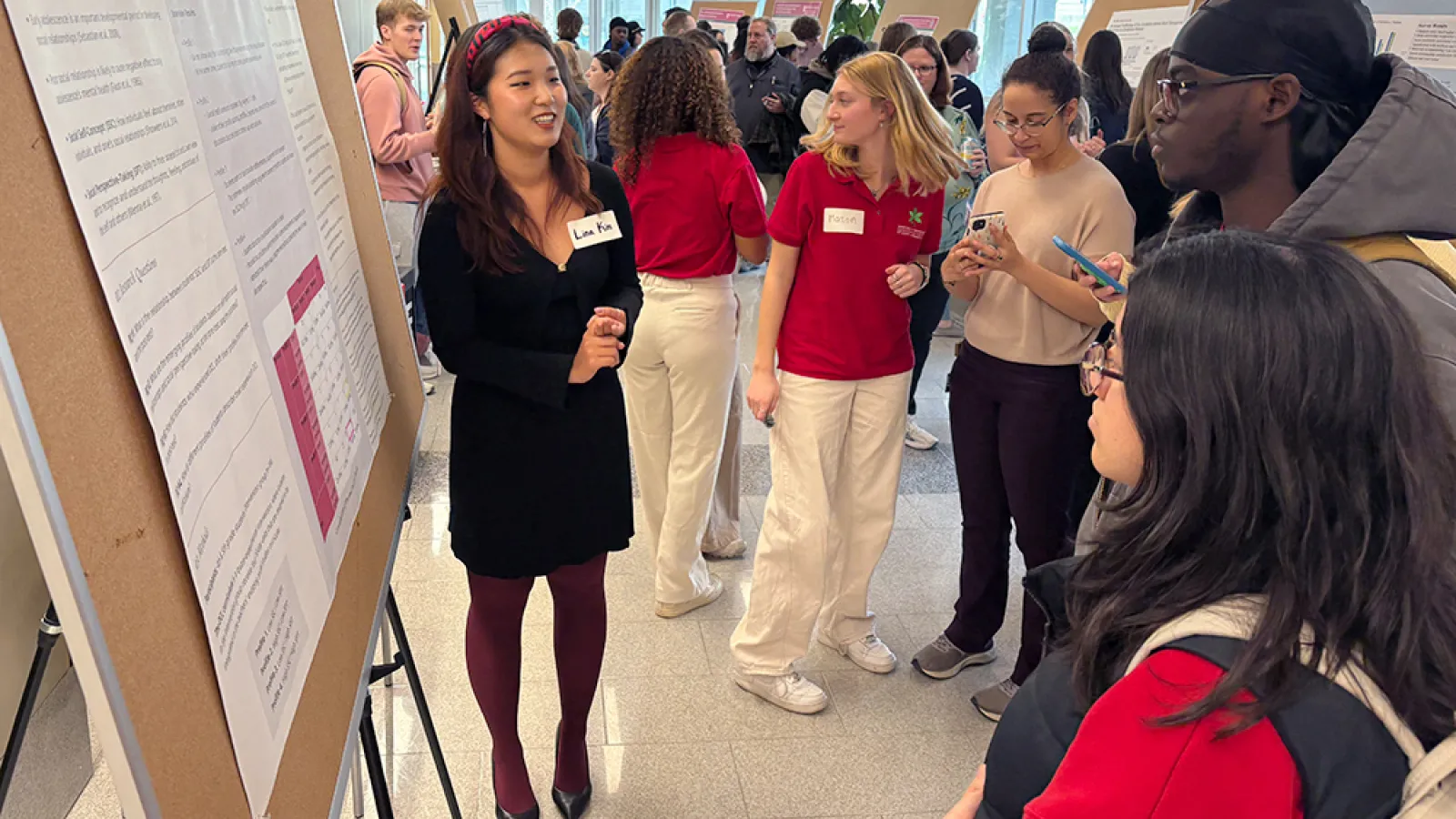
Psychology undergraduates share research with Ohio State community
For people who are not fluent in American Sign Language, is the meaning of the “eat” sign easier to guess than that of related words in other languages, such as delicioso, Portuguese for …
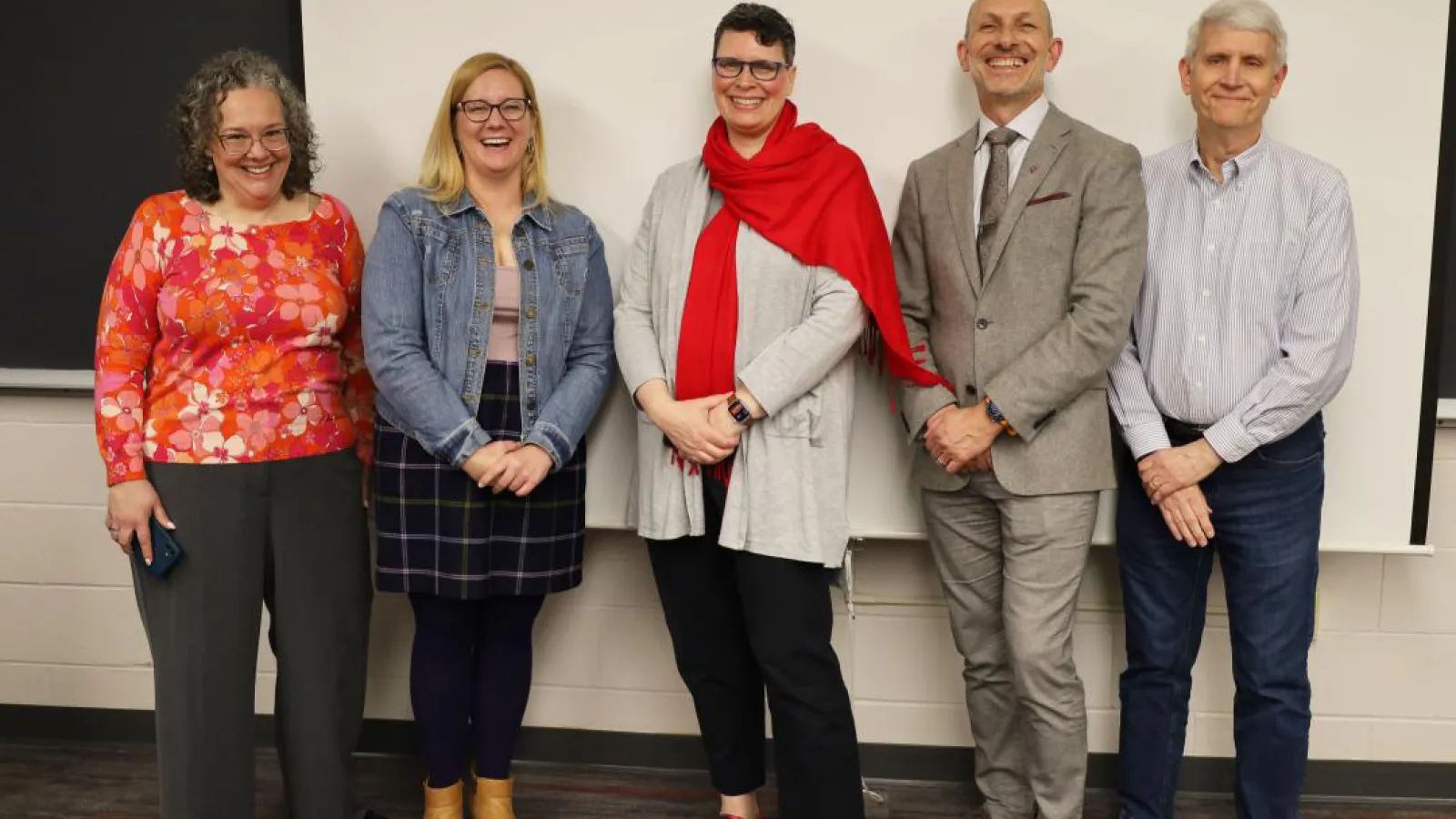
Nikole Patson honored with university’s most prestigious faculty award
The 2025 Alumni Award for Distinguished Teaching recognizes the Marion campus professor's excellence and impact in the classroom.

Ohio State recruiting participants for new study on human kindness
The Columbus Dispatch highlights clinical psychology professor Jennifer Cheavens' continuing research on human kindness.

How the brain links related memories formed close in time
A new study conducted by Dr. Megha Shegal reveals that human brains create physical connections between memories that occur close in time.
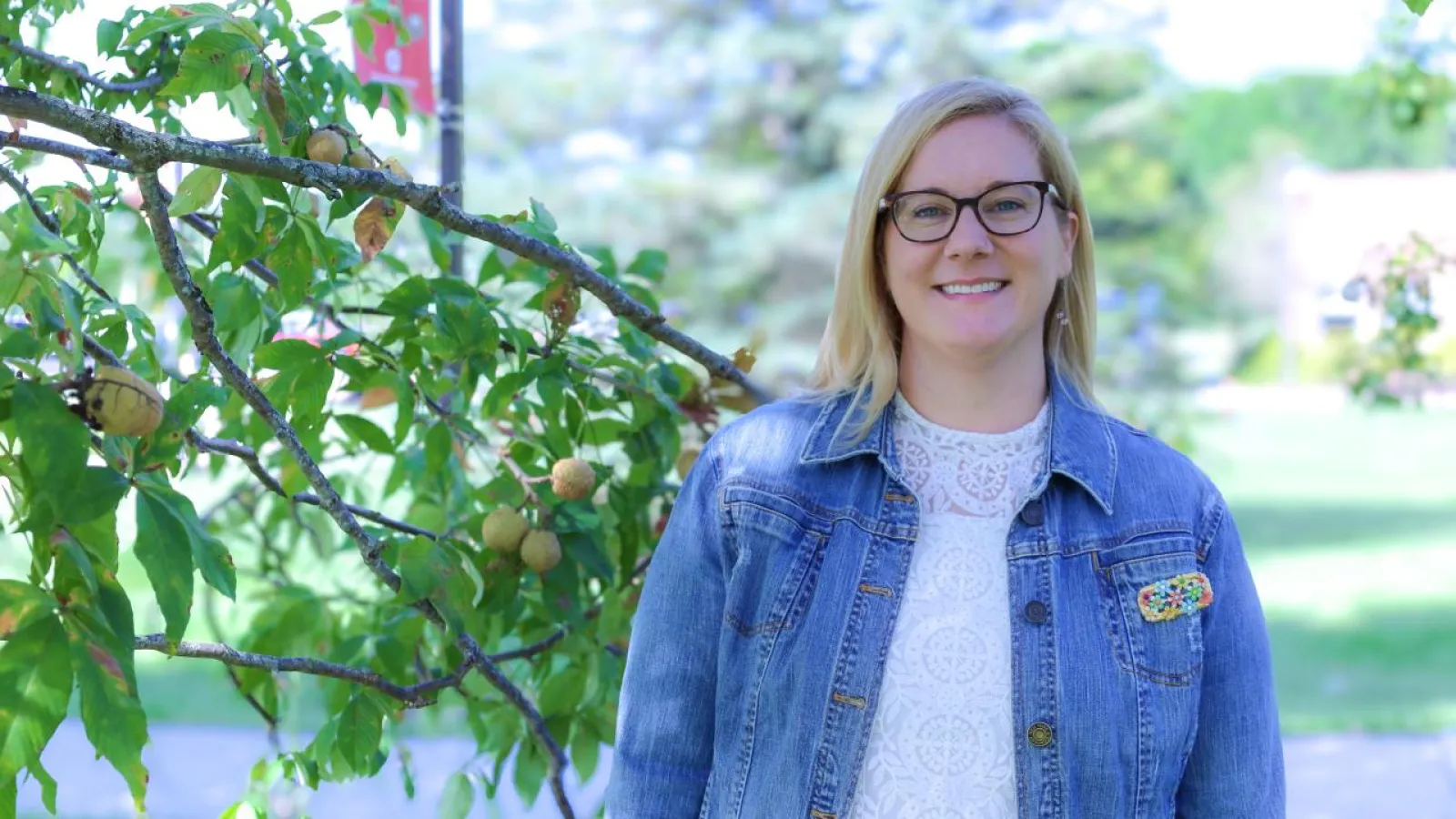
Patson receives Undergraduate Research Access Innovation Seed Grant
Patson, a professor at the Ohio State Marion campus, will use the $10,000 award to research whether people remember language-related inferences over time.

Daddis receives grant to help study teens’ beliefs about school misbehavior
Daddis, an associate professor at Ohio State's Marion campus, will use the $10,000 seed grant to research the relationship between school misbehavior and the ways that youth think about its…

How ‘self-silencing’ your opinion may change behavior
A new study co-authored by affiliated faculty member Nicole Sintov suggests that people with minority views may change their actions to follow the majority.