News

Psychology Assistant Professor Jeremy Grant and student Meseret Alemu spoke about the transformative experience of the university's Summer Research Opportunities Program, now in its 40th year.

“Will AI save or destroy us?” was the central question for a public panel on July 21, hosted by the Department of Psychology and the Collaborative on the Science of Polarization and Misinformation…
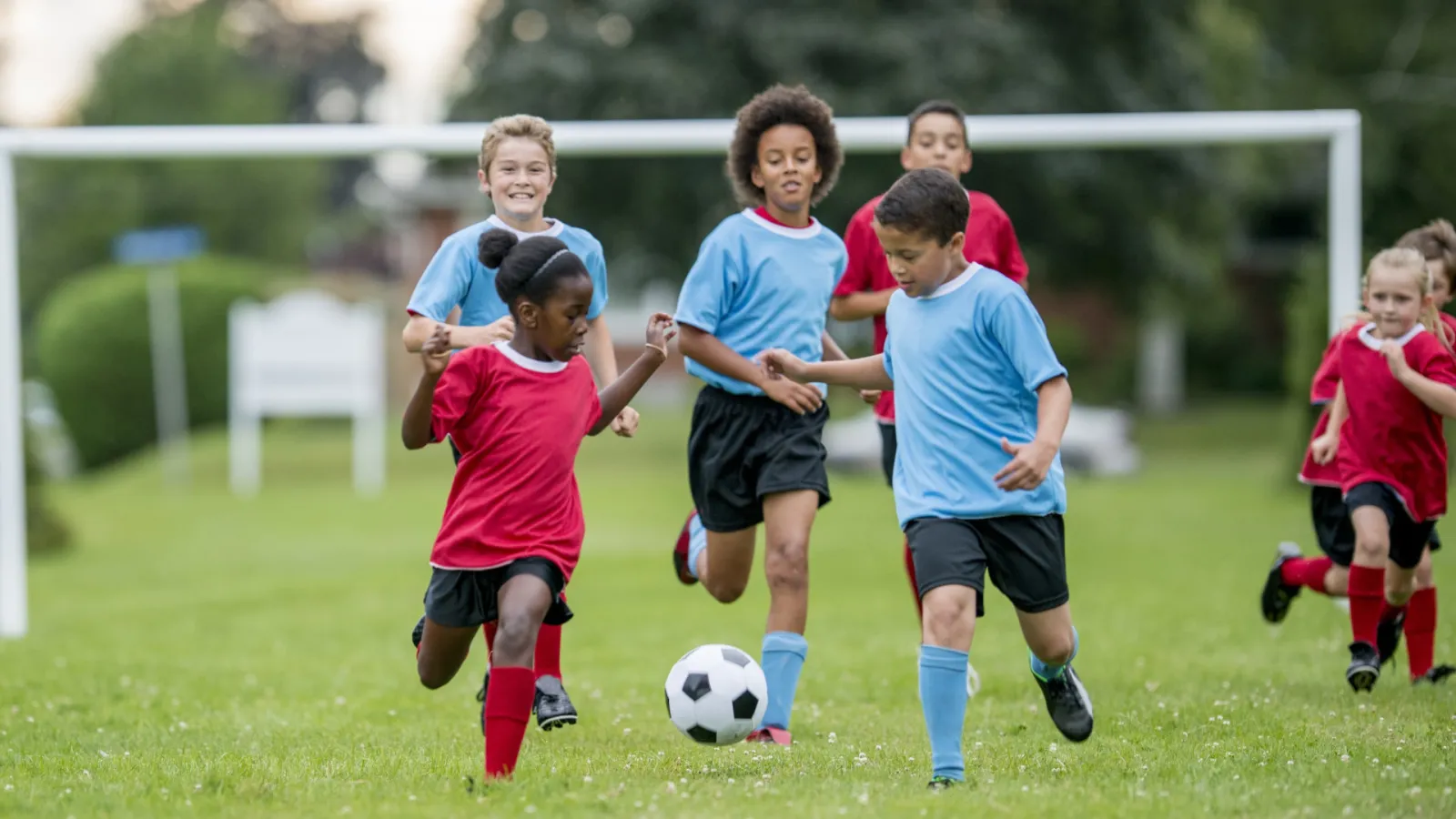
Simply playing organized youth sports does not reduce the likelihood of committing violence in one’s lifetime, according to a new study led by psychology graduate Emily Nothnagle.
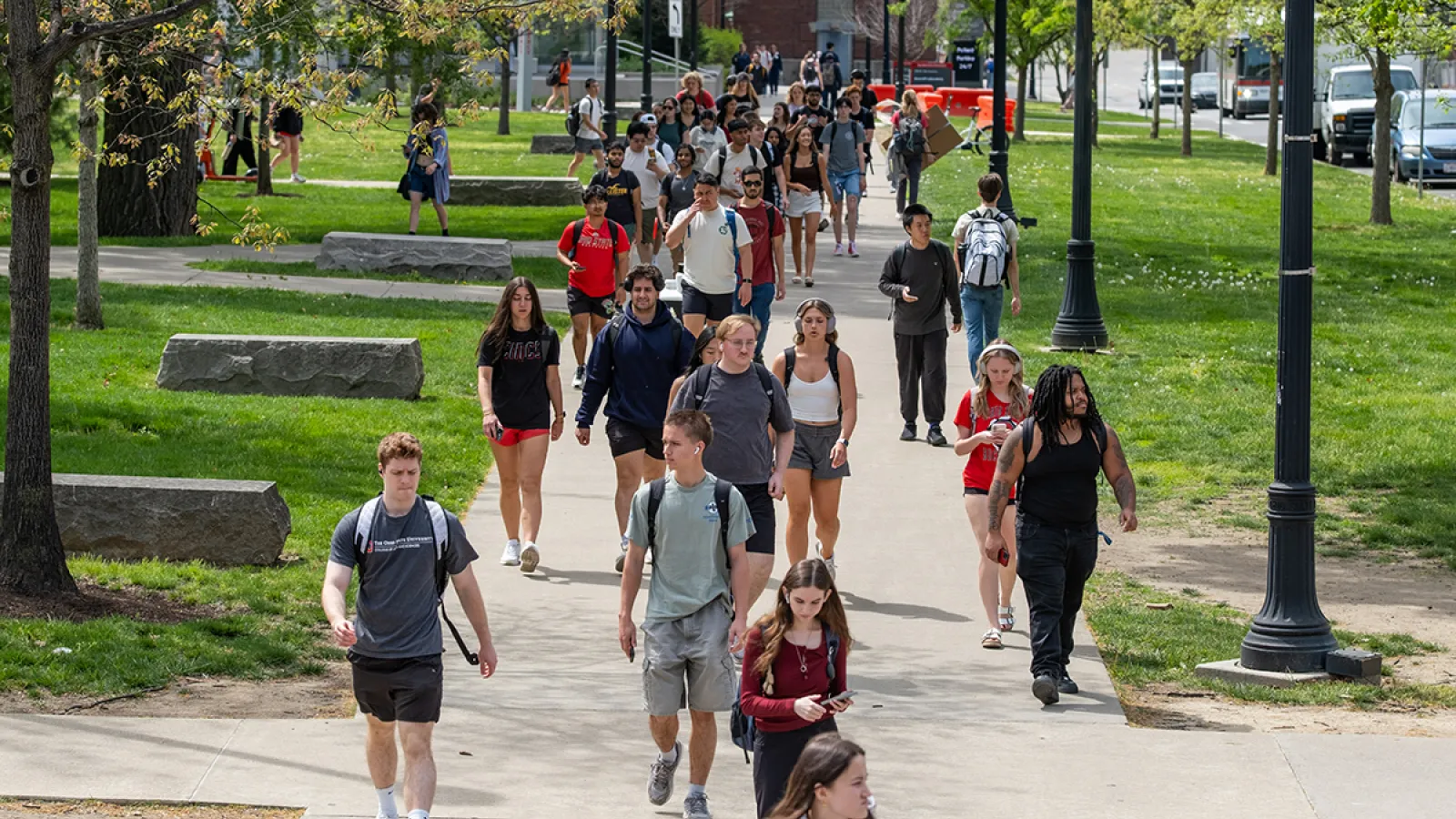
As a summer policy intern in Washington, D.C., Rajeev Rai ’26 was asked to evaluate a perplexing issue: Why did many recipients of WIC nutritional assistance abandon their benefits after two years…
Two doctoral students and two research lab managers in the Ohio State Department of Psychology have received the National Science Foundation Graduate Research Fellowship, one of the most…
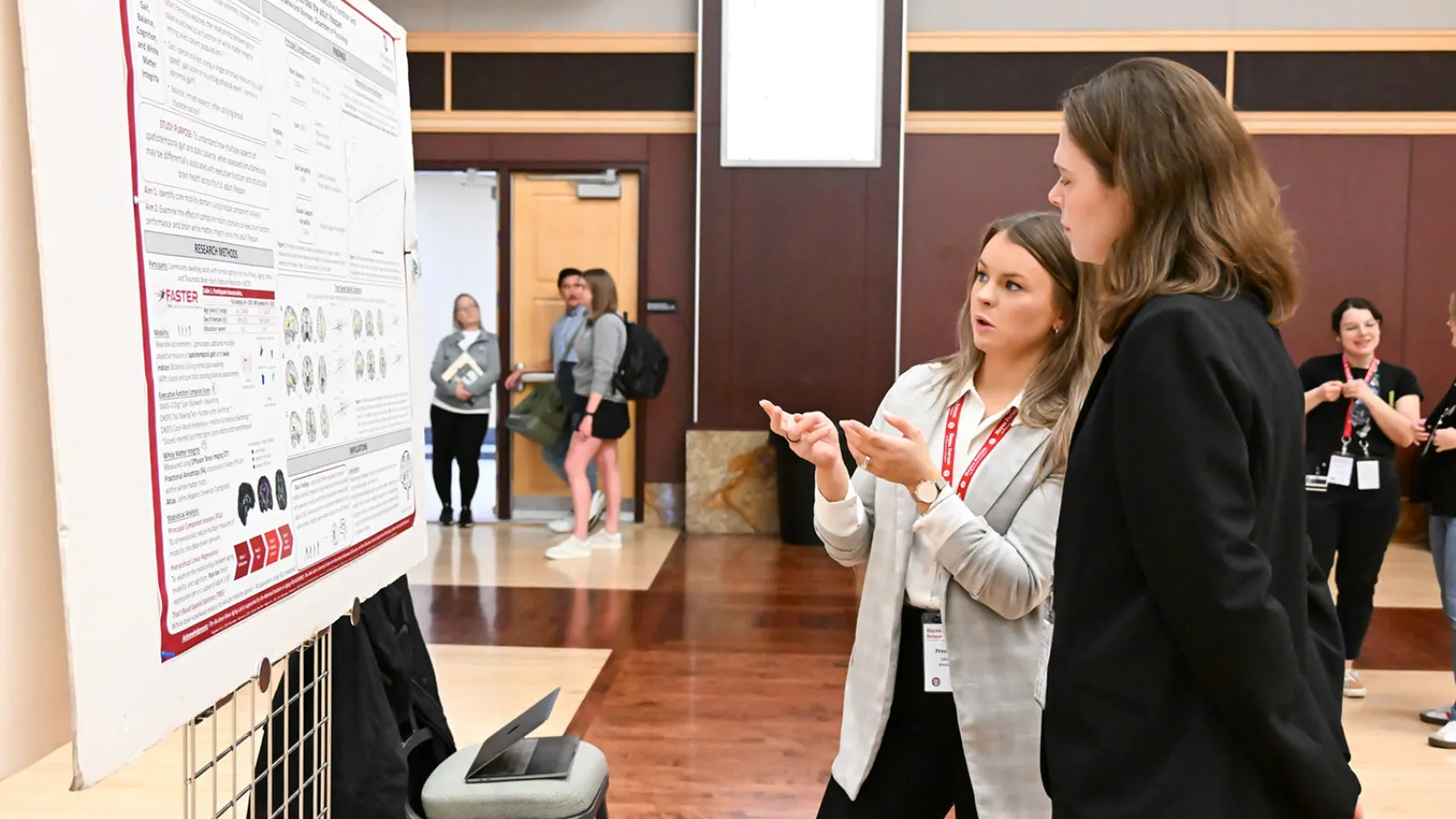
Department of Psychology students received top awards at Ohio State research showcases this spring.
Grace Amadon and Olivia Horn, both clinical psychology graduate students, received first…

Recently published research by graduate student Jillian Graham used an advanced nonlinear modeling technique to study how cardiorespiratory fitness relates to cortical thickness in adults.
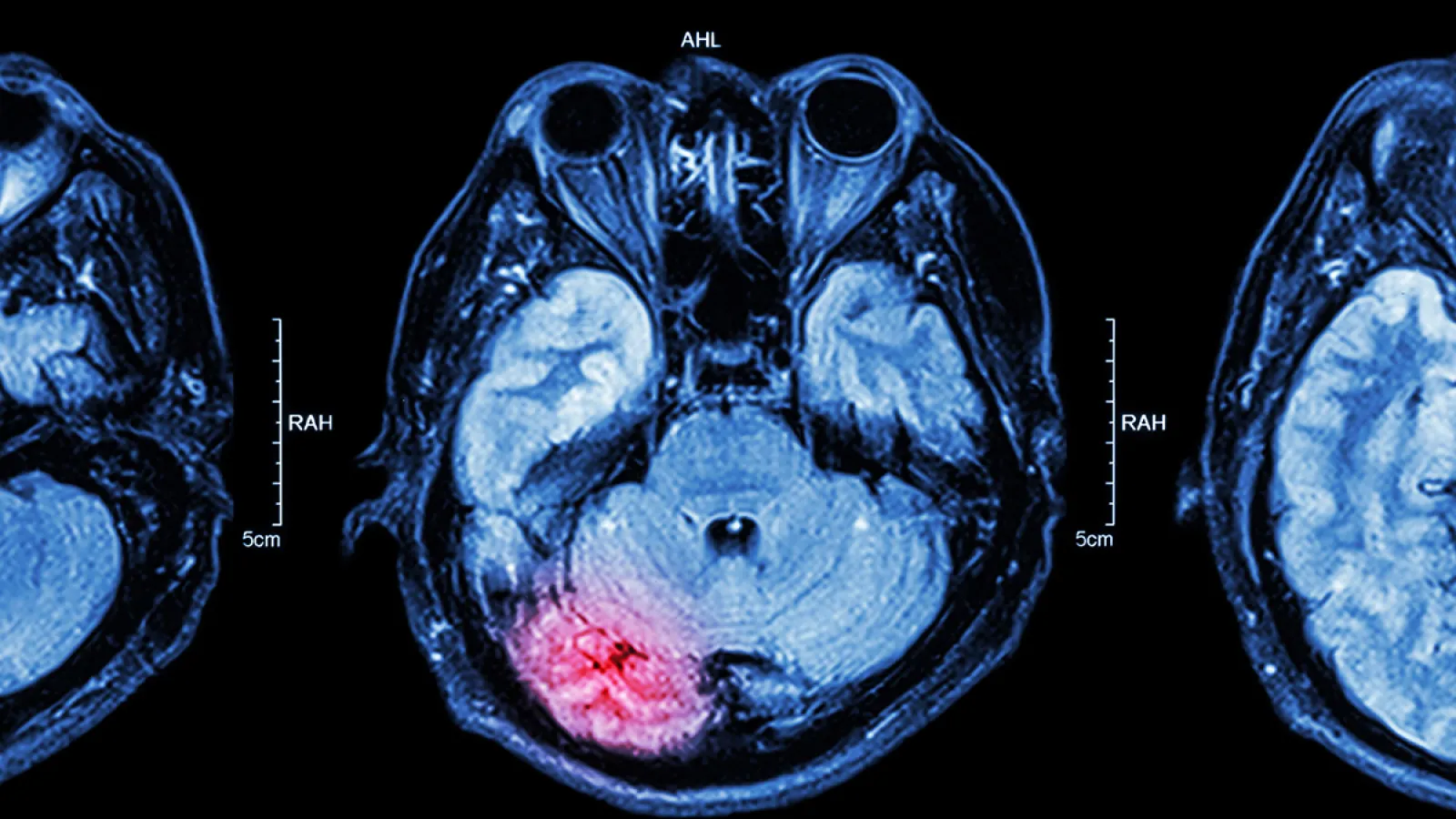
Erica Howard, a doctoral candidate in the Department of Psychology’s clinical psychology graduate program, has received the Brain Injury Association of America’s Dissertation Grant.
A fifth…
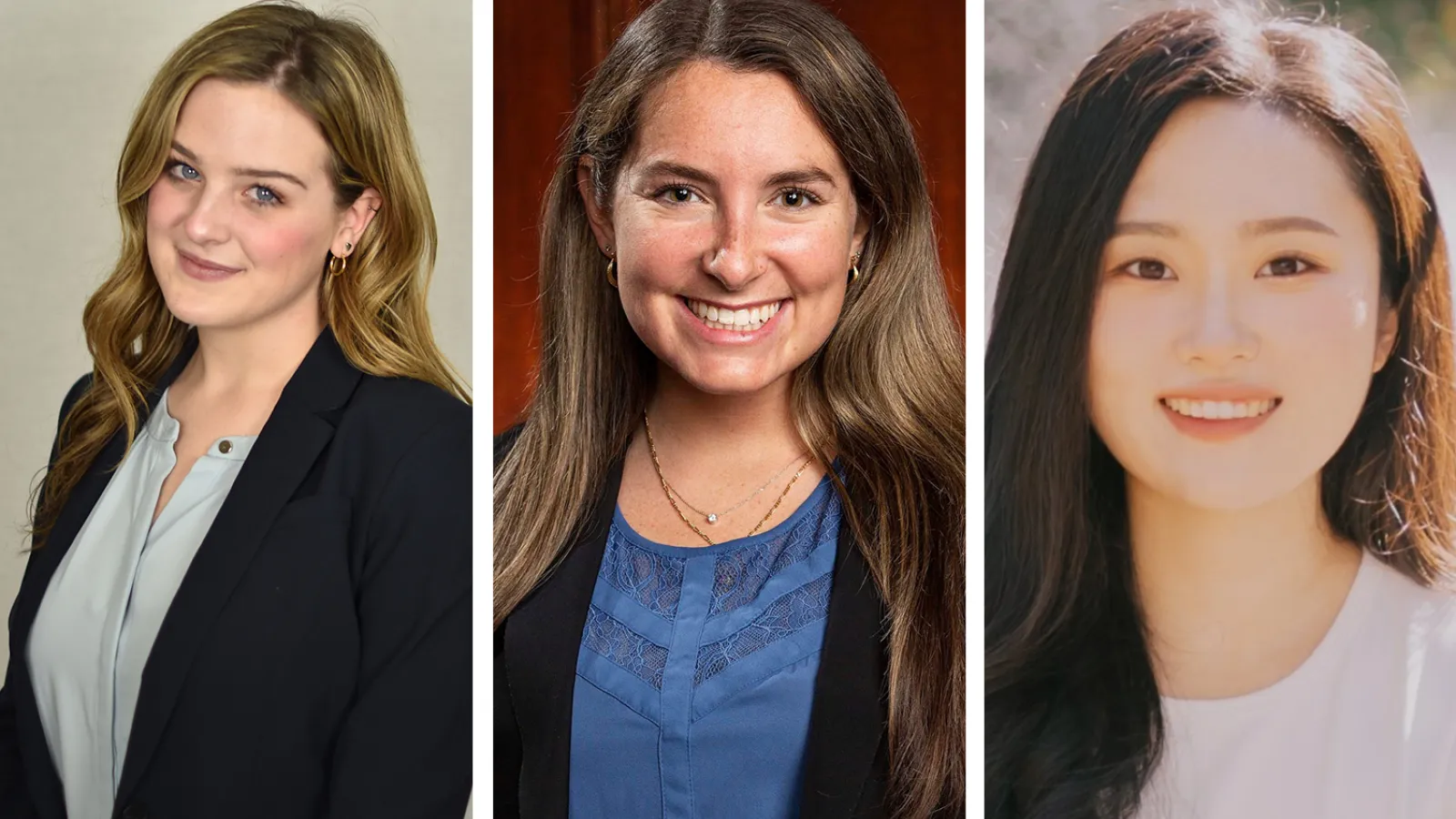
Three Department of Psychology doctoral students received awards for their presentations at the Autumn 2025 Graduate Student Research Forum, held Nov. 10 in the Psychology Building.
Emma…